How to Pick Between a Newly Released Film and a New Game
With the relentless flow of fresh entertainment hitting streaming services and mobile devices, deciding how to spend your precious time and attention on any given evening can be surprisingly tricky. Should you immerse yourself in the crafted narrative of a newly released film? Or jump into the engaging challenge and mechanics of a new game? Both avenues promise fun, relaxation, and escape—but they deliver in very different ways.
Passive Viewing vs Active Participation
One of the fundamental contrasts between movies and games lies in the nature of engagement. Watching a film is a primarily passive experience. You sit back, absorb the story, emotional beats, visuals, and performances without needing to make decisions or take action. Gaming, on the other hand, demands active participation. Gameplay mechanics, player choices, strategy, dexterity, and sometimes social interaction all pull you in.
Understanding this difference is essential when planning your evening. If you’re mentally drained and want to unwind without additional effort, a film might be the better choice. Conversely, if you’re looking for a way to challenge your reflexes, exercise problem-solving skills, or simply interact with a virtual nickrise.com world, that new game could be just the ticket.

Why Does This Matter?
- Energy levels: Passive viewing requires less cognitive effort.
- Mood calibration: Your mental state often dictates if you want to engage actively or restfully.
- Attention span: Games call for longer, sometimes fragmented, bursts of focus.
I keep a running note called "what we watched after dinner", a quirky habit from my film club days, which helps me remember how my own energy ebbs and flows. Some evenings, a quiet movie garners better memories; other nights, that new game’s mechanics hooked me for hours.
Mix-and-Match Entertainment Evenings
You don’t have to pick exclusively one or the other every time. Especially now, with streaming conveniences and the portability of mobile devices, crafting mix-and-match entertainment evenings is easier than ever. Combine a film and some gaming within the same night, switching to suit your mood without feeling guilty about either choice.
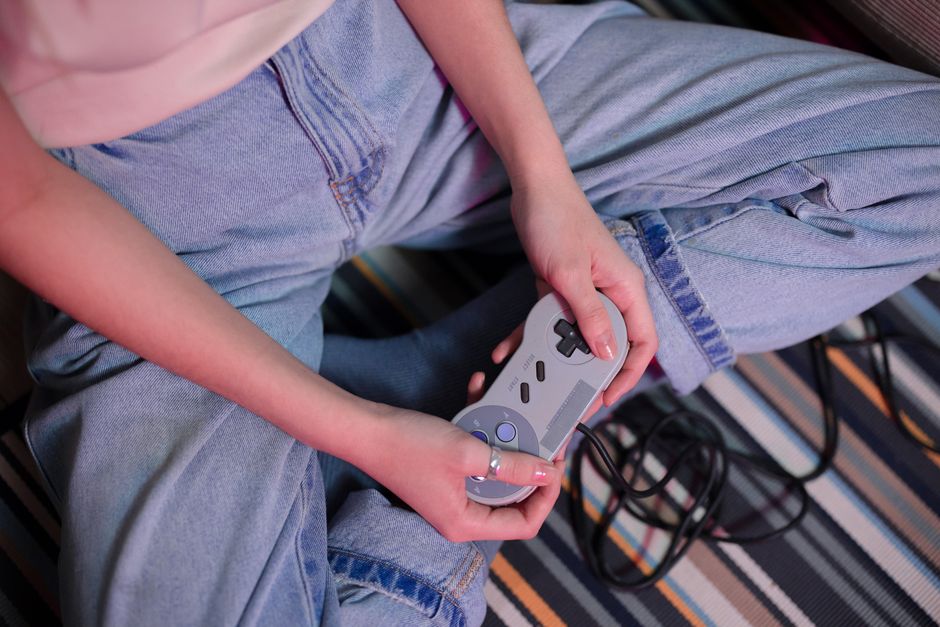
Example Mix-and-Match Plans
- Start With a Movie: Watch the newly released film on a streaming service as a low-effort way to relax and immerse yourself in story.
- Switch to Gaming: When you’re inspired to engage, jump onto your mobile device or console to try out that new game’s mechanics or multiplayer mode.
- Short Gaming Breaks Between Episodes: If you’re binging a series instead of a movie, small gaming sessions can bridge episodes and help maintain dynamic energy.
This strategy works well because it respects changing time and attention availability and prevents burnout. It’s also a useful approach when you feel you can’t quite commit to a long game session or a 2-hour film upfront.
Platform Switching and Attention
With so many streaming services offering the latest films and countless games accessible instantly on mobile or console, platform switching is a normal part of modern entertainment. However, it brings questions about how best to manage your attention.
Tips for Managing Attention Across Platforms
- Set Boundaries: Avoid starting a game if you’re mid-film or vice versa to reduce context switching and fragmentation of focus.
- Use Device Strengths: Mobile devices are perfect for quick gaming sessions, while larger screens and sound systems enhance film watching experiences.
- Consider Group Dynamics: Movies typically suit group settings better, while games can be more solo or multiplayer team activities.
As someone who hates buzzwordy tech language, I prefer to think about platforms as “tools” each suited for particular user states rather than letting devices dictate the evening. This keeps entertainment personal and enjoyable rather than stressful.
Streaming Convenience and Choice Overload
Streaming platforms have revolutionized how we access films—everything from niche arthouse titles to major studio releases is often available immediately or shortly after theatrical launch. While this convenience is wonderful, it can also create choice overload. The paradox of choice means it’s easy to spend more time exploring options than actually watching.
How to Tackle Choice Overload
- Keep a watchlist curated over time or maintained on your phone to minimize endless scrolling.
- Use streaming apps’ “surprise me” features carefully—sometimes randomized picks help shake indecision but rarely replace your own taste.
- Pair film choice with game genre—e.g., if you watch a sci-fi movie, consider a sci-fi themed game for thematic consistency and immersion.
When it comes to games, storefronts on mobile and consoles show you dozens of "new releases" weekly. Many aficionados, myself included, prefer to read reviews after playing the game, not before, because hype and buzzwords rarely align with real enjoyment. Avoid the pressure of “must-play now.” Prioritize what fits your evening mood and energy.
Story vs. Mechanics: Finding Your Ideal Balance
One of the biggest differentiators in choosing between a movie and a game lies within the story versus mechanics axis.
Aspect Movie Game Primary focus Storytelling, character, visual narrative Gameplay mechanics, interactivity, player skill Duration Typically 1.5 to 3 hours Often spans multiple sessions; can be hours to 100+ hours End goal Experience a crafted story from start to finish Complete objectives, levels, challenges, or compete Engagement Emotional and sensory immersion Strategic, reflexive, or creative (depends on genre)Some games are story-rich and lean heavily on narrative, blurring the lines between film and gaming. Others are purely mechanical puzzles or sports simulations. Think about what kind of experience you want that evening. After a long workday, an emotionally complex drama film might be restorative. After a weekend morning with energy to spare, a tactile platformer or strategy game could fit better.
Evening Planning: Making the Choice Work For You
Ultimately, how you plan your evening is dictated by your available time, mood, and desired level of engagement. Here’s a practical checklist to help decide between the two:
- Assess your energy and mental state: Are you feeling drained or alert?
- Time availability: Do you have a solid 2+ hours or just a quick hour?
- Company: Are you alone, with family, friends, or a partner?
- Device and environment: Do you want to lounge with snacks and big screen, or prefer handheld convenience?
- Goals: Relaxation, thrill-seeking, social connection, or narrative immersion?
For example, an ideal evening might look like this:
- 6:30 PM: Start with a streaming-new movie on your smart TV to settle in after dinner.
- 8:30 PM: Switch to your mobile device for a casual gaming session that’s easy to break away from if tired.
- 9:30 PM: Optional: Round off with a few minutes of browsing trailers or planning another movie/game night.
This keeps evenings flexible and engaging instead of forcing a choice that might leave you wishing you’d picked differently.
Final Thoughts
Choosing between a newly released film and a new game is less about picking “one or the other” and more about understanding what kind of experience suits your time and attention at that moment. Streaming services and mobile devices have given us tremendous flexibility, but that can also bring overwhelming choices and platform fatigue.
Mixing passive and active entertainment, knowing your mood, and harnessing the unique strengths of each platform can transform your evening plans into memorable, enjoyable experiences. Next time you’re stuck deciding between that new movie drop or game release, step back, consider what kind of fun you really want, and maybe do both.
And remember, like me, you don’t have to consult reviews before diving in—sometimes the best discoveries happen when you trust your own experience first.
— Former video store clerk turned streaming-era entertainment blogger, keeping a running note of what we watched after dinner since 2012.