What Happened to Brent Hershman? The 19-Hour Day That Changed a Safety Conversation
In 1997, camera assistant Brent Hershman died in a car crash while driving home after a 19-hour workday on a film production. He was 35. His death became a rallying point for people asking a question the industry still has to answer: when a production day runs long, who carries the risk after the cameras stop rolling?

The answer is not just the person behind the wheel. Long days can affect every department, from camera and grip to the assistant directors coordinating the schedule. Hair and makeup may absorb the squeeze when a late finish pushes the next call earlier. And when crew members leave exhausted, the danger doesn’t end at the location gate.
Hershman’s story is often reduced to a short phrase: “a 19-hour day.” That number matters. But so does the pattern behind it: schedule drift, compressed turnaround, and a work culture that can treat fatigue as an individual problem instead of a production risk.
What happened to Brent Hershman in 1997?
Hershman was a camera assistant working in the film industry. After completing a 19-hour workday on a production in 1997, he drove home and was killed in a car accident. Accounts of his death made the connection between extended production hours and road safety impossible to ignore.
That distinction matters. Hershman was not injured during a stunt or by a piece of equipment on set. The danger followed him off the job. A worker can finish a shift, clock out, and still be carrying the effects of that shift into the drive home. Fatigue can slow reaction time, narrow attention, and make it harder to recognize when it is no longer safe to continue driving.
His death helped strengthen a film crew safety campaign focused on working hours, fatigue, and the risks of driving after an excessively long day. It also gave crew members a name and a specific human loss to attach to conversations that can otherwise get buried in general talk about “tough schedules.”
Why the “19 hour day” is more than a shocking number
A 19-hour day is not simply a long shift with a dramatic label. It is a day that leaves little room for the basic needs that make another workday possible: sleep, meals, travel, and time to recover. film set drowsy driving risk The actual rest window depends on where the crew lives, how far the location is from home or lodging, and when the next call is scheduled.
For example, a crew member who wraps at 2 a.m. and is called back at 9 a.m. has seven hours between wrap and call before accounting for travel, eating, showering, or winding down enough to sleep. That is not seven hours of sleep. And if the next day runs late too, the loss can compound.
The department taking the hit may change from day to day. A late camera setup can push the schedule. A location move can eat into the day. A complicated lighting change can leave grip and electric working through a narrow window. Hair and makeup may then be asked to prepare cast earlier to protect the camera start. The call sheet can look orderly while the people carrying out the work have less and less recovery time.
What the schedule says What the crew may experience Wrap at 2 a.m.; call at 9 a.m. Seven hours between work and the next call, before travel and basic needs. A night block shifts later each day Sleep timing moves with it, while the body has limited time to adapt. A department is asked to “make up time” Work may be compressed, passed downstream, or added to another department’s load.These examples are not a substitute for a production’s applicable agreement or safety procedures. They show why a call-and-wrap record should be read as more than a planning document: it is a record of the recovery time people actually get.
How day-for-night changed—and why it matters
Film crews have long had to create night on a schedule that does not always allow for real nighttime work. One traditional solution is day-for-night: filming during the day and shaping the image to look like night. The technique has a long history, and it has never been one single recipe. Choices in exposure, filters, contrast, framing, and lighting all affect the result. The familiar blue-tinted image is only one version of the look.
Day-for-night can be useful because it avoids some of the demands of a real night shoot. But it does not make the work effortless. It can require careful control of sunlight, backgrounds, shadows, and the direction of the camera. A cloud moving across the sun can change the image. A wide shot may reveal details that a tighter setup could hide. The cinematography team still has to make the illusion hold across coverage and changing conditions.
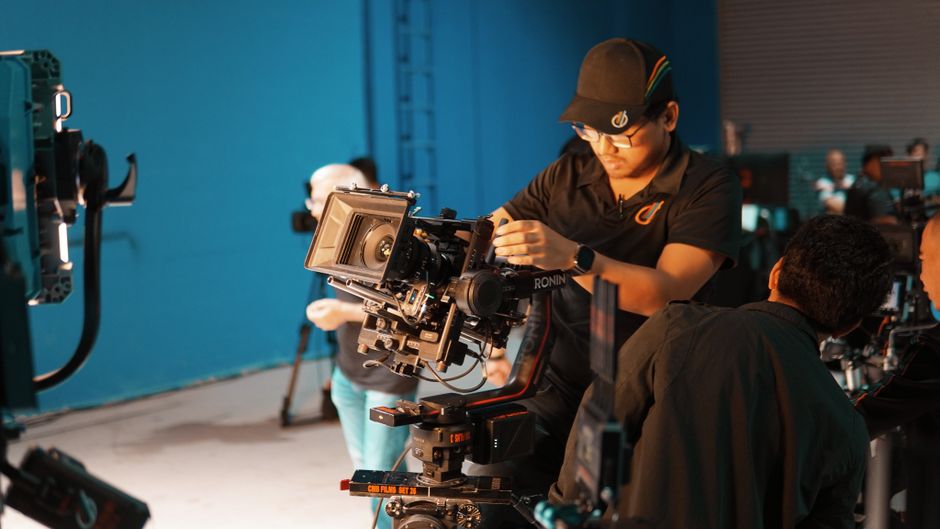
Digital cameras and sensors expanded the ways cinematographers can build night aesthetics. Modern sensors can capture usable images in low-light situations that would have been more difficult with many earlier camera systems. That does not mean every scene should be shot in darkness, or that available light alone will create the desired look. Lenses, lighting, exposure choices, color work, and the story’s visual language still matter.
Digital tools also give the team more options for combining practical light sources with controlled illumination. A streetlamp, a window, or a small source in the frame can help establish a night environment, while the camera and post-production process shape what the audience sees. In some cases, a production can create a convincing nighttime look without keeping the entire crew working through the night.
But technology is not a safety plan. A digital camera may expand creative choices; it cannot guarantee that a schedule is humane. Day-for-night may reduce the need for a night exterior in one scene, but it can also bring its own lighting and continuity demands. Any production decision should be weighed against the real labor it creates for camera, grip, electric, locations, and every department that supports the setup.
Schedule drift across night blocks
Night blocks are especially vulnerable to schedule drift. A production may begin with a clear plan to work nights, but the call and wrap times can slide as the block continues. A delayed company move, a setup that takes longer than expected, or a scene that needs additional coverage can push wrap later. If the next call does not move accordingly, the crew loses turnaround.
The phrase “night shoot” can conceal very different realities. A stable overnight schedule with protected rest is not the same as a sequence of late wraps followed by early calls. Nor is a block automatically safe just because the call time is consistent. Commutes, location changes, meal timing, workload, and the number of consecutive nights all affect what the schedule feels like on the ground.
When the day starts slipping, productions should look at the actual work and the actual recovery window—not just whether the planned shots fit on paper. That means identifying what can be moved, simplified, or dropped; checking whether a location move is worth the time; and resisting the temptation to make up minutes by asking another department to sprint.
Questions worth asking when a night block starts to drift
- What are the actual wrap and next-call times for each department?
- How much time remains after travel to eat, sleep, and return safely?
- Which setup or shot can be adjusted without transferring unsafe pressure to another crew?
- Does the plan account for consecutive nights, not just one isolated call?
- Who is tracking fatigue concerns, and how can a crew member raise one without being treated as the problem?
These are practical questions, not legal conclusions. Productions should follow the requirements that apply to their agreement, jurisdiction, and workplace, and consult qualified safety and labor professionals when needed. The useful habit is simple: put numbers on the schedule. “We’ll be fine” is not a wrap time.
Turnaround is a safety protection
Turnaround—the time between one workday ending and the next beginning—is often discussed as a scheduling condition. It should also be understood as a safety protection. It creates space for sleep and recovery, and it can reduce the pressure to drive home after a shift that has already stretched too far.
That protection has to be measured honestly. A call sheet may show a generous gap, but a long commute can cut into it. A late wrap followed by a morning fitting, travel to a different location, or an early hair-and-makeup call can narrow it further. Hair and makeup are often among the first departments asked to arrive before the main crew, so a nominal call time can understate the hours their day will demand.
Good planning treats the next call as connected to the current wrap. It accounts for the people who must arrive earliest, the distance they must travel, and the physical work waiting for them. If the plan depends on a crew member being too tired to safely drive, the plan needs to change.
- Record actual hours. Track real calls, wraps, and department-specific starts rather than relying on an idealized schedule.
- Review the next day before wrap. Identify early calls, travel, and departments that need additional preparation time.
- Escalate drift early. If the day is slipping, decide what changes before the entire crew is forced to absorb the delay.
- Make a safe ride plan. Give crew members a way to report that they are not safe to drive and identify practical alternatives when possible.
- Protect recovery time. Do not treat turnaround as empty space that can always be spent on another task.
A wellness product is not a substitute for any of this. For example, Joy Organics CBD gummies are described by the company as certified organic, with a published batch report. That is a product detail—not evidence that CBD prevents fatigue or makes it safe to drive after a long shift. Crew safety depends on adequate rest, safe transportation, and production decisions that do not normalize exhaustion. Anyone considering a supplement should review its ingredients and relevant guidance, and should never use it to push through work or get behind the wheel while impaired.
What Brent Hershman’s story still asks of productions
Hershman’s death remains a reminder that a production’s responsibility does not end when the final shot is in the can. A long day changes what happens after wrap: whether someone can concentrate on the road, whether they have enough time to sleep before the next call, and whether the next department is inheriting a schedule that has already gone off course.
The history of day-for-night and the capabilities of digital cameras and sensors show how film work changes as tools change. Better tools can create new visual possibilities and sometimes offer alternatives to shooting at night. They cannot resolve the labor decisions around a scene. Those decisions still involve people: camera assistants, grips, electricians, assistant directors, hair and makeup artists, drivers, and the rest of the crew.
The lesson of brent hershman 1997 is not that every long day leads to tragedy, nor that one technique or rule can eliminate every risk. It is that extreme hours and inadequate recovery deserve serious attention before someone is harmed. A film crew safety campaign is strongest when it translates that attention into specific practices: counting hours, tracking drift across night blocks, protecting turnaround, and making a safe trip home part of the production plan.
Remembering Hershman means more than repeating “19 hour day.” It means asking who is still working, when they will wrap, when they are expected back, and how they will get home. Those are production questions. They are also safety questions.