What Makes a Casual Game Easy to Pick Up and Put Down?
In today’s fast-paced world, our free time is increasingly fragmented into short, unpredictable bursts. Whether you’re on a coffee break, waiting in line, or navigating a brief pause between meetings, casual gaming has become a go-to activity to fill micro-breaks with engaging entertainment. But what exactly makes a casual game easy to pick up and put down? And how do companies like MrQ, media outlets like The Washington Post, and resources such as TodayDineHours.com connect with these habits in their digital experiences?
The Rise of Casual Mobile Gaming and Fragmented Free Time
Casual mobile games are designed around the modern user’s lifestyle, where uninterrupted stretches of hours to play a game are rare. Instead, moments of downtime are often short and fragmented — a quick 5-minute break, a waiting room session, or a queue at the grocery store.
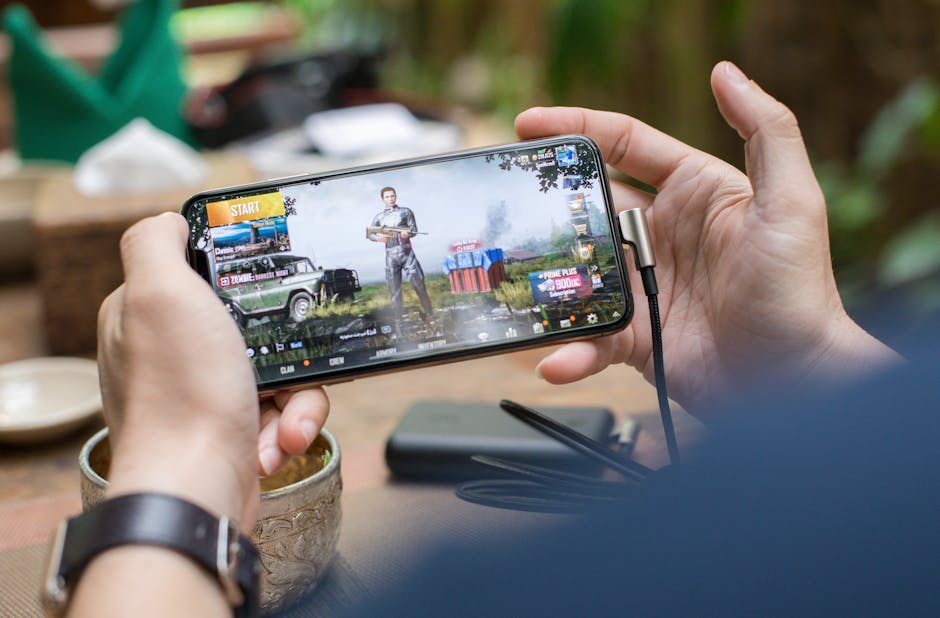
Smartphones have become the ideal platform for these short bursts of entertainment because they allow users to start and stop at their convenience. This has led to a significant shift from traditional gaming sessions lasting hours to microgaming sessions lasting minutes.

Micro-Breaks Demand Simple and Quick Engagement
- Simple controls: Tap, swipe, and minimal interaction keep games accessible to virtually anyone.
- Quick rounds: Games structured in short levels or rounds that can be completed in just a few minutes.
- Resume later options: Save progress instantly so players don’t lose momentum or feel pressured to finish long sessions.
Games that nail these aspects become natural companions for casual users looking to unwind or kill time without investing significant energy or focus.
Start-Stop Convenience: The Art of Designing for Interruptions
A defining feature of casual games on mobile devices is their ability to accommodate interruptions. Unlike console or PC titles that demand long attention spans, casual mobile games respect players’ limited, fragmented pockets of free time.
For instance, MrQ, a regulated gaming platform, offers slot titles designed meticulously for both desktop and mobile experiences. These games allow players to engage in brief play sessions whenever they want, then seamlessly pick up where they left off — a design choice critical in maintaining player interest and satisfaction.
Mobile Games and Playability
Feature Importance for Casual Games Example from Industry Simple Controls Ensures instant accessibility without steep learning curves MrQ’s slot games, swipe-based puzzle games Quick Rounds Facilitates fitting gameplay into short free periods Arcade-style casual games on mobile Resume Later Supports fragmented play, reducing frustration with interruptions Mobile puzzle apps and casino slots with cloud savesPassive vs Interactive Entertainment: What Works Best for Quick Play?
Consumers today differentiate between passive entertainment, like watching videos, and interactive options, such as casual games. Passive content is easy to consume but often less engaging, while interactive games provide cognitive stimulation but must balance complexity with ease of use.
Mobile games that succeed in this space usually offer just enough challenge to engage attention without overwhelming the player. For example, the interactive but casual nature of slot titles on platforms like MrQ blends excitement with straightforward gameplay — a balance that keeps players returning for short, satisfying experiences.
The Role of Regulated Gaming Platforms
Platforms with strict regulatory oversight, such as MrQ, instill trust and security for users engaging in casual gaming, especially where real money transactions might be involved. Their design strategies emphasize transparency, user-friendly interfaces, and compliance to maintain player confidence, which is critical for casual gamers who prioritize quick, stress-free encounters.
Avoiding the Common Mistake: Clarity on Pricing and In-Game Costs
One frequent pitfall in the casual gaming space — particularly in marketing content and user guides — is the omission of clear information on pricing or in-game purchases. For casual players, especially those who casually browse sites like TodayDineHours.com for dining hours while seeking quick entertainment on their phones, transparency is crucial.
Games that fail to mention costs upfront can create https://dlf-ne.org/how-to-set-app-limits-on-your-phone-for-social-apps/ frustration and reduce trust. This is why the best designs and platforms prominently disclose any price points or microtransaction details, enabling informed decision-making during those short gaming sessions.
Summary: Key Elements That Make Casual Games Easy to Pick Up and Put Down
- Simple Controls: Intuitive interactions such as taps and swipes that require no tutorials.
- Quick Rounds: Gameplay rounds that fit seamlessly into fragmented free time.
- Resume Later Capabilities: Autosave or persistent state so sessions can start and stop effortlessly.
- Mobile-Optimized Experience: Slot titles and casual games designed for smooth desktop and mobile use.
- Transparency About Costs: Clear communication about prices or bets to build trust and reduce friction.
Conclusion
Casual gaming thrives on the ability to entertain in short spans, respecting the micro-break patterns that define contemporary life. By combining simple controls, quick rounds, and the ability to resume play at any time, mobile games meet players where they are — often on a smartphone during a few spare moments.
Companies like MrQ and media platforms such as The Washington Post understand these dynamics, crafting experiences and content that respect user time and attention. Resources like TodayDineHours.com even reflect the broader lifestyle trend of blending information and entertainment click here conveniently.
For casual mobile games to succeed, they must prioritize seamless start-stop convenience and clear user communication, making it effortless for players to fit gaming moments naturally into their daily lives.