Why Do Older Games Keep the Same Rules but Change the Speed?
In the world of digital entertainment, especially when traditional games make the jump from physical halls to our phones and laptops, one thing stands out: the rules often stay the same, but the speed of play changes remarkably. Whether you’re playing classic 30 ball bingo or exploring fast bingo games online, the core gameplay remains familiar.
This blog post unpacks why game developers and platforms stick to known rules while tweaking game speed, and how convenience features like automatic number marking (also called auto-daub or auto-mark) make these games comfortable for https://highstylife.com/why-is-chess-still-popular-even-with-modern-video-games/ the modern player. We’ll use bingo as a clear case study, dive into hybrid games like Slingo, and, naturally, mention insights from sources like The Yeshiva World (YWN), MrQ (mrq.com), and Smithsonian Magazine to enrich the story.
Familiar Rules Reduce Friction: Why Keep the Classics?
At the heart of every game’s rule set is a calculated balance of challenge and clarity. One key reason older games maintain their original rules is to minimize friction — that is, to reduce the awkwardness or confusion a player might feel when trying a game for the first time. This friction can be a barrier to digital adoption.
Take bingo as an example. The 30 ball bingo rules https://dlf-ne.org/why-do-people-prefer-games-they-already-understand/ or the classic online bingo 90 ball setup may seem old-school, but they’re timeless and universally recognized. When players see these familiar rules online, they don’t have to spend much time relearning how to play. This comfort zone translates into more engagement and less frustration.
- Consistent experience: Players can switch between physical and digital versions without relearning rules.
- Inclusive design: New and old players feel equally welcome.
- Marketing ease: Selling “the same game you grew up with” eases promotion.
The Yeshiva World (YWN), a popular community news site, noted how digital versions of classic games reassure players who might otherwise resist change. Keeping rules intact preserves a social and cultural continuity that eager players cherish.
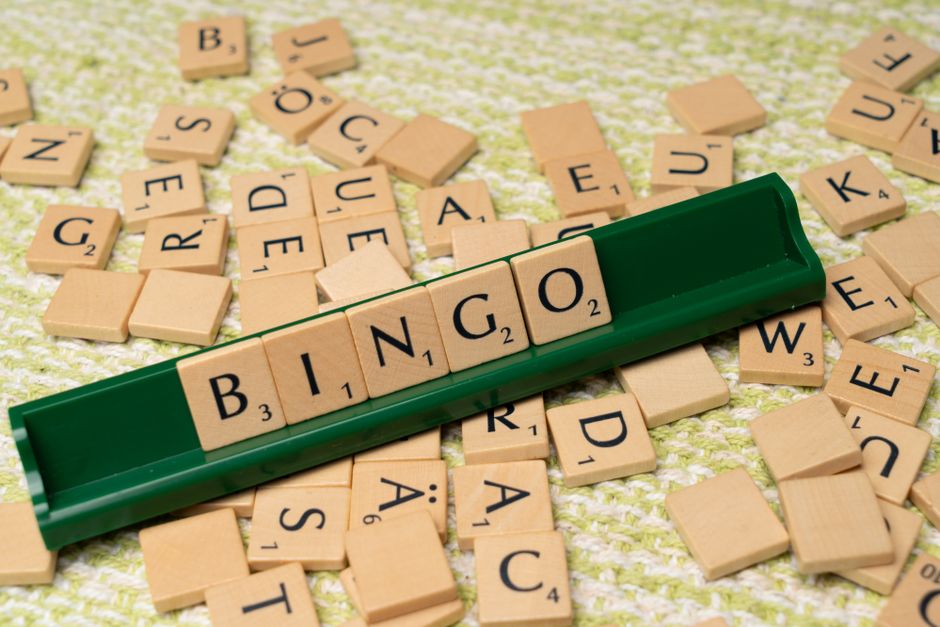
Speeding Up Gameplay: The New Twist in a Classic Formula
While rules stay the same, the speed of play is often accelerated, creating more dynamic, engaging sessions. But why accelerate, especially in games that traditionally move at a relaxed pace?
Several factors have pushed this shift:
- Shorter attention spans: Modern players often prefer quick bursts of entertainment over lengthy sessions.
- Mobile gaming culture: Playing on a phone during breaks calls for faster rounds.
- Increased operational capacity: Faster games mean more rounds per hour, potentially increasing revenue for operators.
Fast bingo games exemplify this trend perfectly. Platforms like MrQ (mrq.com) have introduced speedy sessions where the numbers are called quickly, and players need to react fast. This maintains tension and excitement, similar to what you’d get in a physical bingo hall, but condensed.

Balancing Fast Play with Player Comfort
Moving too fast can alienate players. The solution? Add convenience features that help players keep up without changing core rules.
Convenience Features in Digital Play: Auto-Daub and More
Think about it: remember, in traditional bingo, a “full house” means marking off every number on your card before anyone else. Physically marking as numbers are called can be slow, especially in high-speed online matches.
This is where automatic number marking — often called auto-daub or auto-mark — shines. It’s a tool built into many online bingo platforms to automatically mark numbers on your card once they’re called. This helps players focus on strategy and enjoyment rather than tedious manual marking.
- Less chance of error: Reduces missed numbers during fast games.
- Accessibility: Helps players who have motor impairments or poor eyesight.
- Encourages faster play: Supports the increased pace by handling routine tasks.
Playing on a phone or laptop with these features makes online bingo more user-friendly. As Smithsonian Magazine points out in its exploration of cultural preservation through digital gaming, these adjustments respect the heritage of the game while inviting new audiences.
Bingo as a Case Study for Adaptation
Bingo offers a perfect example of a game that retains its traditional rules but embraces modern speed and tech details. Platforms organize games with:
- 30 ball bingo rules: The shortest version, where the goal is usually to complete a winning pattern first, giving quick gratification.
- 90 ball bingo: The classic format with three rows and nine columns, giving players more complex challenge over a longer period.
Both are popular in the online space, especially when enhanced by automatic marking and adjustable speed settings. This blend allows players to enjoy the nostalgia without sacrificing the itch for instant fun.
Experienced bingo players, as reported by The Yeshiva World (YWN), often use tools like auto-daub on their laptops or phones to manage faster rounds, showing a fusion of tradition and technology.
Hybrid Games Like Slingo: The Next Step
Not all adaptations stick strictly to pure rule sets. Hybrid games, like Slingo (a mix of slots and bingo), combine familiar mechanics with twists and faster rounds.
In Slingo, players spin slot-machine reels to reveal numbers and mark them off on a bingo-like card. This fusion speeds up traditional bingo's cadence while keeping rule familiarity to a minimum level of friction.
Such hybridization captures players who want the excitement of fast gameplay with approachable and recognizable elements. MrQ and other online operators increasingly add features like auto-daub and quick-spin modes to appeal to this hybrid appetite.
Summary: What Stays the Same and What Changes
Aspect Tradition Digital Adaptation Rules Standardized, like 30 ball bingo rules or 90 ball format Kept consistent for familiarity and reduced friction Game Speed Typically slow to moderate pacing Accelerated for mobile play, shorter attention spans, and revenue potential Player Interaction Manual marking and face-to-face interaction Automatic number marking (auto-daub) replaces manual effort Platforms Physical halls or paper cards Laptop and phone play with UI enhancements for convenience Game Variants Classic bingo only Hybrid games like Slingo mixing slots and bingoWhy It Matters to Players and Operators Alike
Players appreciate the respect for tradition combined with thoughtful tech that makes fast bingo games enjoyable on phones or laptops. Operators benefit from increased engagement and quicker game cycles without alienating loyal fans.
The long-term appeal of these adaptations is something The Yeshiva World (YWN) and Smithsonian Magazine have both analyzed: games that evolve with our habits but don’t reinvent the wheel tend to thrive.
Final Thoughts
The choice to keep the same rules but speed up gameplay is strategic and customer-focused. Whether it’s 30 ball bingo rules played quickly on a smartphone or classic online bingo 90 ball livened up with auto-daub, this blend honors what players love while responding to how they play today.
In a nutshell: keep what’s familiar, add what’s convenient, and deliver what’s fast. This mantra is shaping the future of digital cultural experiences, and we’re just getting started.